



Tile and Grout Cleaning
Tools and Techniques
876+ Reviews | 4.8 ★ on Google
Floor Care
Why Tile and Grout Get Dingy
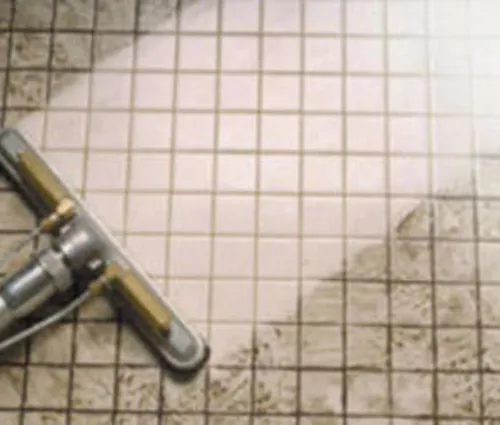
Tile floors and shower walls can look dull fast when soap film, tracked-in dirt, and moisture settle into grout lines. Basic mopping often leaves the problem behind, which is why tile and grout cleaning really needs a more focused plan than a quick pass with a sponge.
The best results come from matching the right cleaner, brush, and routine to the surface you are treating. Once you know how to loosen buildup without damaging the tile, keeping kitchens, bathrooms, and entry floors in better shape becomes much easier for busy homes week after week, too.
Best Tools for Safer Scrubbing
Before scrubbing, remove loose dirt with a vacuum or dry microfiber mop. Grit left on the floor can scratch tile during cleaning, especially on glossy surfaces. Clearing crumbs, dust, and hair first also lets the cleaner reach the grout instead of mixing with debris and turning into muddy residue during the job or later on, too.
Next, choose a cleaner that is appropriate for the tile type. Warm water and a mild pH-neutral product work well for many sealed surfaces, while strong acidic products can wear down some grout and damage certain finishes. When in doubt, test a small hidden spot before cleaning the whole room with that same mix first.
Use the right brush for the job. A soft-bristle brush is safer for regular tile surfaces, while a narrow grout brush helps target the lines without spreading mess everywhere. Work in small sections, let the cleaner sit briefly, then scrub and rinse before the loosened soil dries back onto the floor or wall again too soon.
Where Grout Needs Extra Attention
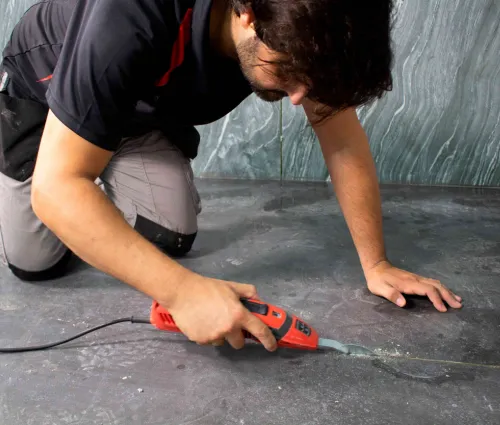
Bathrooms and kitchens collect the heaviest grout buildup because moisture, food splatter, body oils, and soap residue settle into narrow lines over time. In these spaces, tile and grout cleaning works best when you clean regularly instead of waiting until discoloration becomes hard to lift. A steady routine usually means less scrubbing, less standing water, and fewer spots that start looking permanently dark.
Entryways and high-traffic floors need a different approach, especially when you are comparing floor cleaning techniques for various surfaces. Dirt from shoes settles into grout fast, and mopping alone can spread that soil across the surface instead of removing it. Sweeping or vacuuming first, then cleaning with controlled moisture, helps protect the finish and keeps the grout from taking on that dingy look that makes even clean tile seem older than it is.
One common mistake is soaking the floor or wall with too much water. Grout is porous, so extra moisture can linger in the lines, pull in more dirt, and leave the surface looking dull after it dries. Use enough cleaner to loosen buildup, but avoid flooding the area. Controlled spraying, short dwell time, and a proper rinse usually yield a cleaner finish with less mess for most homes and showers daily.
Another mistake is reaching for metal brushes or very harsh chemicals when stains do not lift right away. Those tools can scratch tile, wear down grout, or leave behind fumes that make the job harder than it needs to be. When deep staining persists after careful cleaning, stronger equipment or professional tile and grout cleaning may be the better next step for that room or surface later that same week, if needed.
Tools That Make Cleaning Easier
The best tile cleaning tools are usually simple. Microfiber mops, soft-bristle scrub brushes, grout brushes, spray bottles, and absorbent towels handle most routine jobs without adding too much cost. A vacuum with a floor attachment also helps by lifting dry debris before any cleaner touches the surface, making the rest of the work more effective.
For tougher jobs, a steam cleaner can help loosen grime, but it is not right for every floor. Some tile, grout, and sealants handle heat well, while others may not. That is why checking the surface type first matters. Used carefully, steam can reduce scrubbing in bathrooms, showers, and other areas with stubborn buildup.
Towels and rinse water matter just as much as brushes. If a dirty solution sits on the tile too long, it can dry into streaks and leave the grout looking cloudy again. Wipe or rinse each section before moving on, then dry the area enough to see the real result. That final step helps you spot places that still need attention.
Daily Habits That Cut Buildup
Routine care keeps grout from reaching the point where every line needs heavy scrubbing. Sweep often, wipe up spills early, and do a quick bathroom rinse after showers at home when possible to reduce buildup over time for families.
Sealed grout usually stays easier to maintain, especially in kitchens and showers that see daily use. If your grout absorbs stains quickly, it may be time to check whether resealing makes sense for that surface this season, too.
The goal is not to have perfect floors every day. It is staying ahead of buildup so tile cleaning stays manageable, and your tools keep working the way they should in busy kitchens and baths each week at home again.

When grout still looks dark after regular cleaning, the issue may be old staining, trapped soil, or worn sealant rather than a simple surface mess. At that point, stronger equipment and a more detailed process can make a clear difference. Professional tile and grout cleaning is often the better call for large areas, deep discoloration, or homes where bathroom and kitchen floors need a more complete reset than hand scrubbing can provide at that stage.
How to Keep Grout Cleaner
A weekly maintenance routine makes deep tile cleaning far less stressful. Start with dry debris removal, because dust and grit turn into a dirty paste once moisture hits them. After that, wipe or mop with a mild cleaner appropriate for the surface, paying extra attention to kitchens, bathrooms, and entryways, where buildup tends to start first. Small, regular cleaning sessions usually do more for grout appearance than waiting months and trying to fix everything in one long afternoon.
It also helps to treat grout lines as a separate surface rather than an afterthought. The tile may look decent, while the grout keeps holding dirt, oils, and residue in the narrow channels between each piece. Using a grout brush as needed, rinsing thoroughly, and drying the area long enough to check the color can keep you from stopping too soon. That extra attention often makes the whole room look cleaner without much added time.
If you want better long-term results, think beyond the cleaning day itself. Use mats near doors, handle spills quickly, keep shower areas from staying wet too long, and watch for places where grime keeps returning. Those patterns usually tell you which rooms need more frequent care. Once you know the trouble spots and keep the right tools nearby, tile and grout cleaning becomes more routine and much less frustrating.
Choosing the Right Basic Supplies

Before buying more tools, think about where you clean tile most in your home. A shower floor with soap film needs different attention than a kitchen backsplash or a busy entry. That is why a small set of reliable basics often works better than a shelf full of random products that are used only once and then sit forgotten in closets for years.
It also helps to store those items where you will actually use them. Keeping bathroom tools near the shower and floor tools near the laundry area makes quick cleanups more likely. When supplies are easy to reach, small jobs feel less annoying, and that usually means grout lines stay in better shape between deeper cleanings during busy weeks at home for families everywhere.
Clean Tile Starts With Good Habits
Good tile and grout cleaning comes down to the same basics every time: remove dry debris first, match the cleaner to the surface, use the right brush, and control how much water you put down. Those steps help lift grime without making the floor or wall harder to clean later. They also make routine care more practical, which matters most in bathrooms, kitchens, and other high-use spaces.
When stains go deeper than basic tools can handle, getting outside help can save time and frustration. Still, many homes get solid results from a steady routine, the right supplies, and a little extra attention to grout lines before they turn dark. If you stay consistent and clean small trouble spots early, tile surfaces can keep looking brighter and easier to maintain over the long run for years ahead, too.
Ready To Book Your Cleaning?
or call





© 2026 | The Mighty Maids | Powered by: Customers.Plus