



Essential Move-In and Move-Out
Cleaning Tips
876+ Reviews | 4.8 ★ on Google
Moving Tips
Start With a Simple Cleaning Plan

Moving can turn any home upside down, especially when boxes, timelines, and last-minute tasks start piling up. A solid cleaning plan keeps the process from feeling chaotic and helps you leave one place in good shape while getting the next one ready for daily life.
Whether you are a renter, homeowner, or landlord, move-in and move-out cleaning saves time later and reduces stress during an already busy week. The right steps also help protect deposits, make rooms feel fresh, and give everyone a cleaner start in the new space.
Prep the Home Before You Scrub
Before you start wiping surfaces, remove anything that does not need to stay. Old food, broken items, and random clutter slow the job and make it harder to see what still needs attention. Packing first gives you open floors, clear counters, and better access to cabinets, baseboards, and corners that usually get skipped during a rushed move, which also makes house cleaning before moving easier to manage.
Once the space is cleared, gather supplies in one bucket or box so you do not have to walk back and forth. Basic items like gloves, trash bags, microfiber cloths, a scrub brush, all-purpose cleaner, and a vacuum cover most move-related messes without making the job feel overcomplicated for most homes on moving day, and during the process too.
Set your order before you begin. Start high with shelves, fan blades, and ledges, then work down to counters, appliances, and floors. Cleaning room by room keeps the work from spreading everywhere at once and helps you track progress, which matters when you are juggling keys, paperwork, movers, and a tight deadline.
Focus on Kitchens and Bathrooms First

Kitchens and bathrooms usually require the most effort during move-out cleaning because they tend to accumulate grease, soap film, crumbs, and hidden buildup. Pay close attention to sinks, faucets, mirrors, counters, and the fronts of cabinets. The refrigerator, oven, and microwave should also be checked, especially if your lease or sale agreement requires the space to be left clean and empty.
For move-in cleaning, the same rooms deserve extra care before dishes, towels, and supplies are put away. Wiping drawers, shelves, toilets, tubs, and light switches first makes settling in easier and helps you avoid unpacking into a room that still feels dusty or sticky from the last occupant. That saves time on your first full day there at home.
Floors tell the story of a move. After furniture is gone, you may notice dust lines, stuck-on spots, and marks near doorways or under beds. Vacuuming first keeps dirt from turning into muddy streaks when you mop. For carpeted rooms, take extra time on edges and traffic lanes, since those are the places property managers, buyers, and new tenants often notice first.
Walls, doors, and trim also deserve a careful look before you hand over keys or start unpacking. Spot cleaning scuffs, wiping handles, dusting vents, and checking light switches can change how the whole place feels. It also helps catch smudges on baseboards and fingerprints around locks or closet doors. Finish with a final walkthrough and carry a trash bag with you so anything left behind is removed before the last load or your first night in the new home.
Make the Final Walkthrough Count
If you are leaving a rental, think like the person doing the inspection. They are likely to notice stains, crumbs in drawers, dirty blinds, and buildup around sinks long before they see the work you did in less visible spots. Focusing on those common trouble areas can help reduce questions after move-out day.
If you are moving into a new place, cleaning before the boxes pile up is often the smartest moment to do it. Empty rooms give you better reach behind toilets, inside closets, and along baseboards. It is also easier to wipe shelves, disinfect handles, and vacuum corners before rugs, furniture, and storage bins are brought inside.
Some moves are too packed to handle every detail on your own, and that is when outside help makes sense. A move-in or move-out cleaning service can handle the scrubbing while you focus on paperwork, packing, and timing. That kind of support is especially useful when the deadline is tight or the property has multiple rooms.
Small Spots People Often Forget
Many moving checklists focus on the obvious surfaces, but small missed spots can still stand out. Window tracks, cabinet tops, baseboards, outlet covers, and door frames often collect dust long after the main rooms seem clean.
Another easy miss is the area around appliances. Pulling out what you safely can, then vacuuming or wiping behind and underneath, helps remove crumbs and lint that have been sitting there for months. Those hidden areas can affect the final impression.
Do one last slow walkthrough with lights on before you leave. Looking at the room from the doorway often helps you catch smears, dust, or trash that blends into the background when you are rushing.
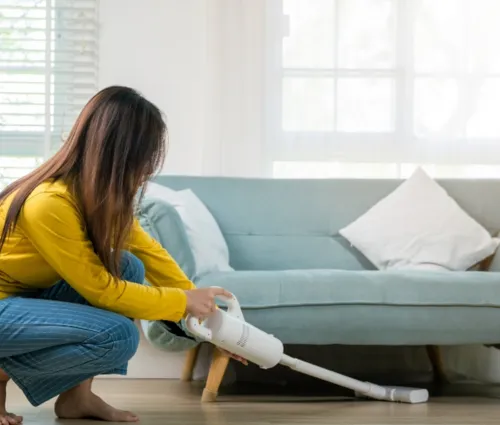
When time is short, a professional crew can handle the heavy cleaning while you manage movers, utility transfers, and paperwork. That can be especially helpful for larger homes, rental turnovers, or last-day situations where every hour matters. Even if you plan to do part of the work yourself, outside help with floors, bathrooms, kitchens, or professional carpet cleaning can take pressure off and leave the space in better shape before the final handoff.
How to Cut Cleaning Stress
One of the best ways to keep a move from feeling overwhelming is to break cleaning into short sessions. Instead of saving everything for the final night, handle one room at a time as cabinets empty out or as packed boxes get stacked near the door. That pace keeps mess from rebuilding and gives you a better chance of leaving the place in good shape without a last-minute rush.
It also helps to match tasks to the tools you already have nearby. Wipe shelves while you are packing dishes, vacuum closets after the last hanger comes down, and clean the bathroom once towels and personal items are boxed. Those small choices save steps, reduce backtracking, and keep the work connected to the move instead of turning it into a separate all-day project for you.
For renters, it is smart to review the lease before the final clean so you know what may affect the deposit. For sellers, think about how the home will look to buyers or the next owner when they walk in for the first time. In both cases, a steady plan, a final inspection, and help when needed can make the whole transition feel more manageable from start to finish.
When to Book Cleaning Help

If you plan to hire cleaning help, try to book it as soon as you know your move dates and review how to prepare your home for a professional cleaning service before the team arrives. The start and end of a month can be busy, and waiting too long may leave you with fewer options. Early scheduling also gives you time to ask what is included and decide whether you need extra help with carpets, floors, or the interior. Packing first gives you open floors, clear counters, and better access to cabinets, baseboards, and corners that are usually skipped during appliance installation.
It is also worth thinking about access before the appointment. Make sure the cleaners can get in, utilities are on, and boxes are out of the way in the rooms being cleaned. A little planning helps the visit go more smoothly and gives the team more time to focus on the actual work without wasted trips or repeated setup time.
A Cleaner Start and Finish
A clean move starts with timing, not just scrubbing. Packing first, gathering supplies, and working in a clear order can save a lot of stress when the schedule gets tight. Focusing on kitchens, bathrooms, floors, and the small spots people often miss gives you a better result than rushing through every room without a plan. That matters whether you are leaving a rental, selling a home, or starting fresh somewhere new.
If the job feels bigger than the time you have, calling in move-in or move-out cleaning help can take real pressure off. A good plan, a final walkthrough, and the right support can leave the old place in better shape and make the new one feel ready from day one. That is a simpler way to handle a major life change.
Ready To Book Your Cleaning?
or call





© 2026 | The Mighty Maids | Powered by: Customers.Plus