



Eco-Friendly Cleaning Tips Every Homeowner Should Know

Eco-friendly cleaning is about cutting harsh chemicals and waste while still keeping your home truly clean. You do not need a shelf full of bottles. Start with gentle soap, warm water, microfiber cloths, and one all-purpose cleaner for tougher messes. Keep a soft scrub brush for grout lines and a small vacuum tool for corners. Test any new product on a hidden spot first.
Begin with the rooms you use most, like kitchens and bathrooms, then expand your routine. Wipe spills right away and dry wet surfaces so soap scum and water spots do not build up. If you have kids or pets, choose low-scent options and store products in a locked cabinet. Small habits make a bigger difference than “strong” sprays.
Choose greener products without confusion
“Green” labels can be confusing, so focus on how a product acts in your home. Pick fragrance-free or low-scent cleaners when possible, and skip anything that leaves heavy fumes behind. For most daily wipe-downs, mild soap and water work well because it rinses clean and do not leave a sticky film. Keep baking soda for gentle scrubbing on sinks, tubs, and stove tops, and use microfiber to lift grime without extra chemicals.
When you buy cleaners, choose concentrates or refills to cut plastic waste and save storage space. Measure product instead of pouring; too much cleaner can leave residue that attracts dirt. Keep one disinfectant for true high-touch spots like handles and switches, not every surface every day. Store bottles together in a labeled bin so you grab the right one quickly.
Your tools matter as much as your products. Washable microfiber cloths, scrub brushes, and reusable mop pads can replace a lot of paper towels. Color-code clothes so bathroom germs do not travel to the kitchen. Replace sponges often or switch to scrubbers that rinse clean. A small upgrade in tools helps you clean faster, throw away less, and keep surfaces looking better between deep cleans.
Homemade solutions that actually work
Homemade mixes can work well when you match the solution to the job. For glass and mirrors, use water with a small splash of white vinegar and wipe with a lint-free cloth. For counters and tables, warm water with a drop of dish soap cuts grease without a heavy scent. Rinse and dry after wiping so residue does not build up. Keep mixes simple, so you always know what is in the bottle.
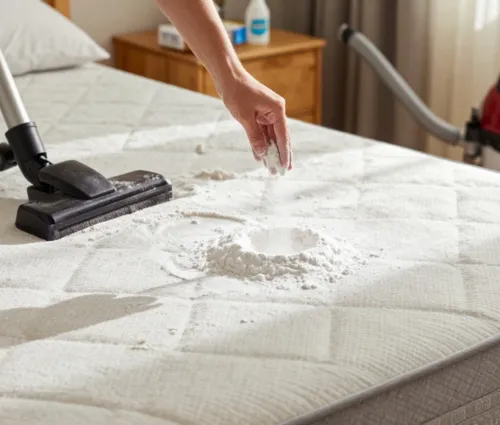
Baking soda is a safe helper for odors and light scrubbing. Sprinkle it in the sink, on rugs before vacuuming, or in the bottom of trash cans, then rinse or vacuum. For stuck-on grime, make a paste with baking soda and water and scrub gently. Avoid mixing vinegar with bleach or other cleaners. Label bottles, store them safely, and keep them out of reach of children.
Steam can cut chemical use while still handling grime. A handheld steamer loosens buildup on tile, shower corners, and sealed floors, and it can help around backsplashes and stove edges. Follow surface care rules, since some stone and wood finishes need gentler methods. Let the steam loosen dirt, then wipe with a clean cloth and dry the area to prevent spots.
When you need a stronger product, pick one eco-friendly cleaner and use it the right way. Let it sit for the recommended time instead of scrubbing harder. Wipe with a damp cloth, then dry. This removes more dirt with less product and helps prevent a hazy film on counters and fixtures.
For floors, choose a cleaner made for your specific surface and avoid oily soaps that leave slick residue. Spot-clean sticky marks right away so they do not grab more dirt. If you have pets, keep a towel near water bowls and wipe paws after walks. These small steps keep floors brighter, reduce buildup, and make weekly cleaning quicker.
Reduce waste with smarter routines
Eco-friendly cleaning is not only about what you buy. It is also about using less and cleaning once. Work in a steady order: dust high surfaces first, then vacuum, then mop. When you go top to bottom, you do not re-clean areas. Keep a small caddy with your basics so you do not reach for extra bottles out of habit, and refill the same spray bottles instead of tossing them.
Replace paper towels with washable cloths. Keep one basket for clean clothes and one for used clothes, so laundry stays simple. Use reusable mop pads instead of disposable sheets, and wash them with towels. When you have a spill, grab a cloth first, not a wipe, and you will cut through trash fast. Small changes like these add up quickly.
Shop with waste in mind. Choose durable brushes, buy larger sizes you will truly use, and skip single-use gadgets. Wash sponges often or switch to scrubbers that rinse clean. Keep extra clothes in kitchens and bathrooms so quick wipe-downs happen in the moment. With fewer products and less waste, your routine stays easier to keep up with week after week.
Eco-friendly tips for kitchens and baths

Kitchens and bathrooms stay cleaner when you stop moisture and grease from building. In the kitchen, wipe counters with warm soapy water, then rinse and dry. Clean the sink daily with baking soda and a soft brush. For greasy stove tops, use a small amount of dish soap and wipe with a damp cloth until the surface feels smooth.
In bathrooms, control moisture first. Run the fan after showers and squeegee glass to slow soap scum. Use a gentle scrub paste on tubs and sinks, and keep a small brush for grout lines so you can clean them before they darken. Dry fixtures to prevent spots and water marks.
Disinfect only where it matters. Handles, toilet buttons, and faucet knobs are good targets. Use an eco-friendly disinfectant and let it sit for the right time. Rinse if needed and dry surfaces. This keeps rooms fresh without heavy sprays or strong chemical smells hanging in the air.
If you want a “clean smell” without harsh sprays, focus on fabric and airflow. Wash dish towels, bath mats, and hand towels often because odors cling to cloth. Empty trash before it smells, and sprinkle baking soda in the bottom of the bin. Keep baking soda in the fridge and wipe spills right away. Open windows for five minutes when the weather allows. Freshness comes from removing grime, not covering it up.
Green cleaning for carpets and floors
Floors take daily wear, so use methods that clean well without leaving residue behind. Vacuum high-traffic paths often, and use the right setting for your surface. For hard floors, spot-clean sticky marks first, then mop with clean water and a gentle cleaner made for your floor type. Change mop water when it turns gray, since dirty water can leave a film that grabs dust. Dry floors after mopping to prevent streaks and slips.
Carpets need frequent vacuuming and quick stain care. Vacuum in two directions to lift grit. For spills, blot with a clean towel, then use a mild carpet-safe solution. Avoid soaking, because too much water can trap odors. Sprinkle baking soda for smells, wait ten minutes, then vacuum.
Use doormats to cut tracked-in dirt and shake rugs outside weekly. If traffic lanes stay dark, it may be time for professional carpet cleaning. Keep pet towels near the door, and wipe paws after walks.

When pros can keep it green
Some tasks are hard to handle with basic tools, like heavy buildup on tile, dull floors, and deep carpet soil. In those cases, a professional house cleaning team can reset the home using green, kid- and pet-safe products and strong equipment. This helps before guests, after a renovation, or when you are starting a new routine and want a clean baseline. It also helps busy families stay on track without spending every weekend scrubbing.
After a reset, day-to-day upkeep is easier, and many homes end up using fewer products. Stick to quick weekly touch-ups and save the long tasks for scheduled visits. If you have pets, kids, or lots of foot traffic, regular cleanings can prevent stains and odors from settling in. Keep a short list of problem areas like grout, shower corners, baseboards, and entryways so the team can focus on what matters most.
Simple swaps you can start today
Start with two small changes so the routine sticks. Replace paper towels with microfiber cloths and switch to refillable cleaners or concentrates. Use warm soapy water for most daily messes, and save disinfecting for true high-touch areas. Work top to bottom, and dry surfaces after wiping so water spots and residue do not build up. Put a small caddy under each sink so supplies are easy to grab and put back.
Keep products simple and do not mix cleaners. Label bottles, store them safely, and wash cloths often. Add mats at entrances and vacuum high-traffic paths regularly to reduce how much you need to mop. Treat spills the same day, and air out rooms when you can. With steady, simple steps, eco-friendly cleaning becomes normal, and your home stays comfortable for everyone.
Ready To Book Your Cleaning?
or call





© 2026 | The Mighty Maids | Powered by: Customers.Plus